Uniting against AIDS
World AIDS Day is held on 1 December each year and is an opportunity for people worldwide
to unite in the fight against HIV, show their support for people living with HIV and to
commemorate people who have died. World AIDS Day was the first ever global health day and
the first one was held in 1988.
Why is World AIDS Day important?
Around 100,000 are currently living with HIV in the UK and globally an estimated 34 million
people have HIV. More than 35 million people have died from the virus, making it one of the most
destructive pandemics in history.
Today, many scientific advances have been made in HIV treatment, there are laws to protect
people living with HIV and we understand so much more about the condition. But despite this,
people do not know the facts about how to protect themselves and others from HIV, and stigma
and discrimination remain a reality for many people living with the condition. World AIDS Day is
important as it reminds the public and Government that HIV has not gone away – there is still a
vital need to raise money, increase awareness, fight prejudice and improve education.
What should I do on World AIDS Day?
World AIDS Day is an opportunity for you to learn the facts about HIV and put your knowledge
into action. Find out how much you know by taking our online quiz: Are you HIV aware? If you
understand how HIV is transmitted, how it can be prevented, and the reality of living with HIV
today - you can use this knowledge to take care of your own health and the health of others, and
ensure you treat everyone living with HIV fairly, and with respect and understanding.
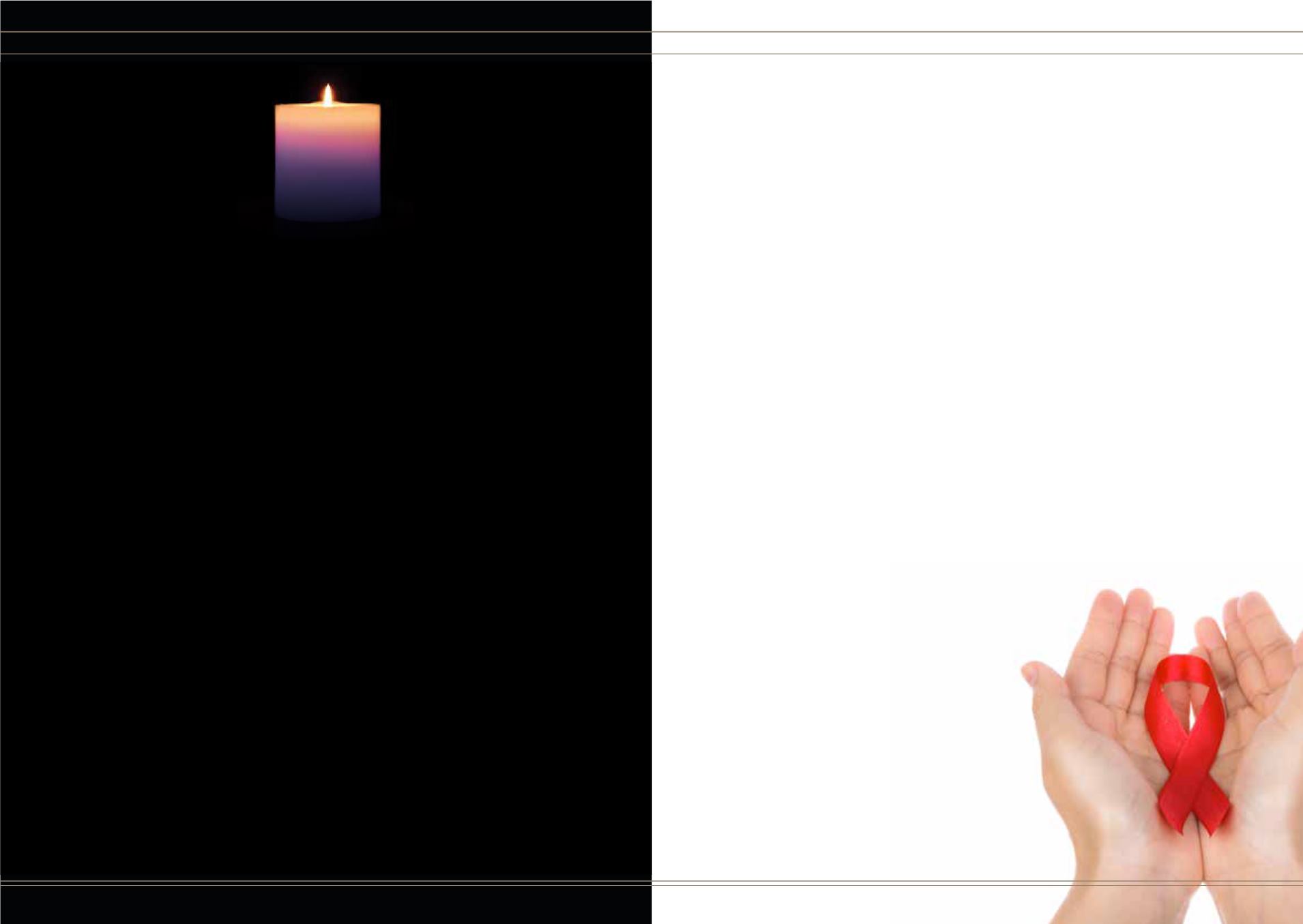
You can also show your support for people living with HIV on World AIDS Day by wearing a red
ribbon, the international symbol of HIV awareness and support.
World AIDS Day is also a great opportunity to raise money for NAT (National AIDS Trust) and
show your support for people living with HIV. If you feel inspired to hold an event, bake sale
or simply sell red ribbons, go to the World AIDS Day website to get
started. If you’d like to see what other events are taking place, then
the website is also your first point of call.
But what about after World AIDS
Day?
Although World AIDS Day is a great opportunity to get
the public talking about HIV and fundraise, we need to
remember the importance of raising awareness of HIV all
year round. That’s why NAT has launched HIVaware — a
fun, interactive website which provides all the information
everyone should know about HIV. Why not use what you
have learnt on World AIDS Day to Act Aware throughout the
year and remember, you can fundraise at any time of year too —
NAT is always here to give you suggestions and ideas.
Transgender Day of Remembrance
20th November
Transgender Day of Remembrance (TDOR) is an annual observance on 20th November
that honors the memory of those whose lives were lost in acts of anti-transgender violence.
What is the Transgender Day of Remembrance?
The Transgender Day of Remembrance (TDOR) was started by transgender advocate Gwendolyn
Ann Smith as a vigil to honor the memory of Rita Hester, a transgender woman who was killed in
1998. The vigil commemorated all the transgender people lost to violence that year and began an
important memorial that has become the annual Transgender Day of Remembrance.
“The Transgender Day of Remembrance seeks to highlight the losses we face due to anti-transgender bigotry
and violence. I am no stranger to the need to fight for our rights, and the right to simply exist is first and
foremost. With so many seeking to erase transgender people -- sometimes in the most brutal ways possible - it
is vitally important that those we lose are remembered, and that we continue to fight for justice.”
- Transgender Day of Remembrance founder Gwendolyn Ann Smith.
How can I participate in the Transgender Day of Remembrance?
Participate in the Transgender Day of Remembrance by attending or organizing a vigil on 20th
November to honor all those whose lives were lost to anti-transgender violence that year. Vigils
are typically hosted by local transgender advocates or LGBT organizations, and held at community
centers, parks, places of worship and other venues. The vigil often involves reading a list of the names
of those who died that year. You can also of course mark the day in your own way. Many people take a
moment of silence to remember, either on their own or with friends. Others light a candle and keep it
going all day as a mark of respect.
For more information and to see a list of events, go to
37
WINTER 2015
60
61


